The imperative of ensuring economic gains made from pooling of data are enjoyed both by the individual and the community has been recognised by several scholars who critically examine the growth of platform capitalism (Papadimitropoulos, 2021).
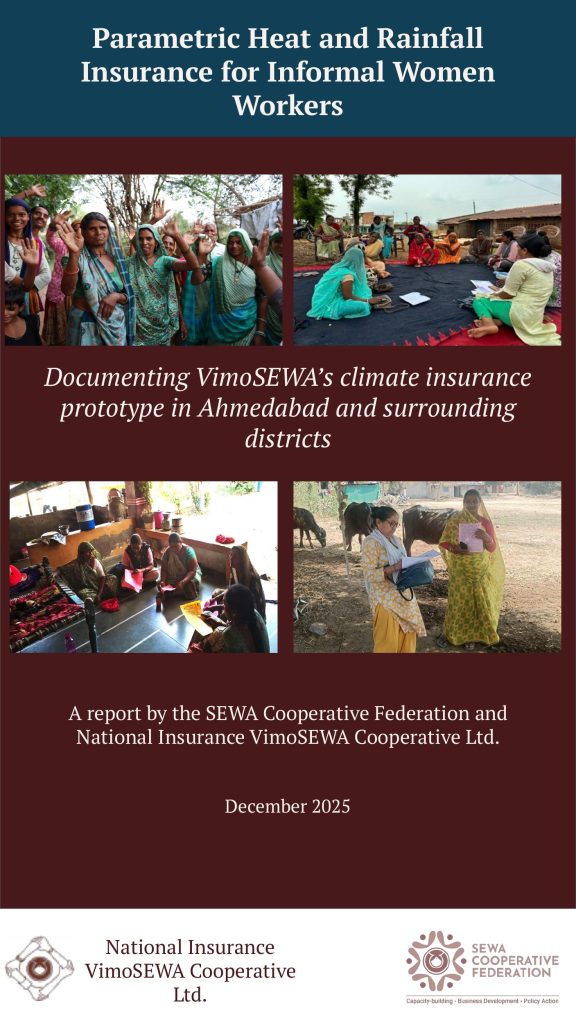
This report is the outcome of the collective efforts of the SEWA Cooperative Federation and National Insurance VimoSEWA Co-operative Ltd. Individuals from both organisations contributed their time, insights, and expertise to this work.
Women in the informal economy have borne the brunt of the COVID-19 pandemic due to a variety of factors, including the increased burden of care work, loss of livelihoods and continuing economic uncertainty.
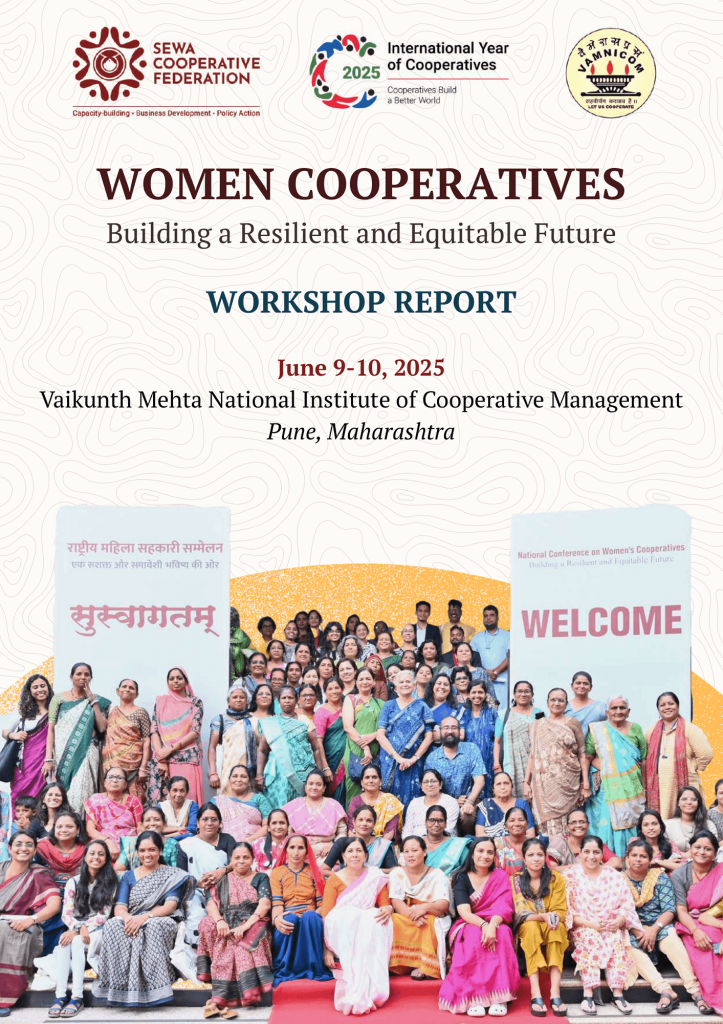
Report_National Conference of Women Cooperatives (June 2025)
The year 2025 - declared as the International Year of Cooperatives by the United Nations - provides a timely opportunity to recognize and highlight the contributions of womenled cooperatives in fostering economic resilience, social security, and community-driven enterprise development.
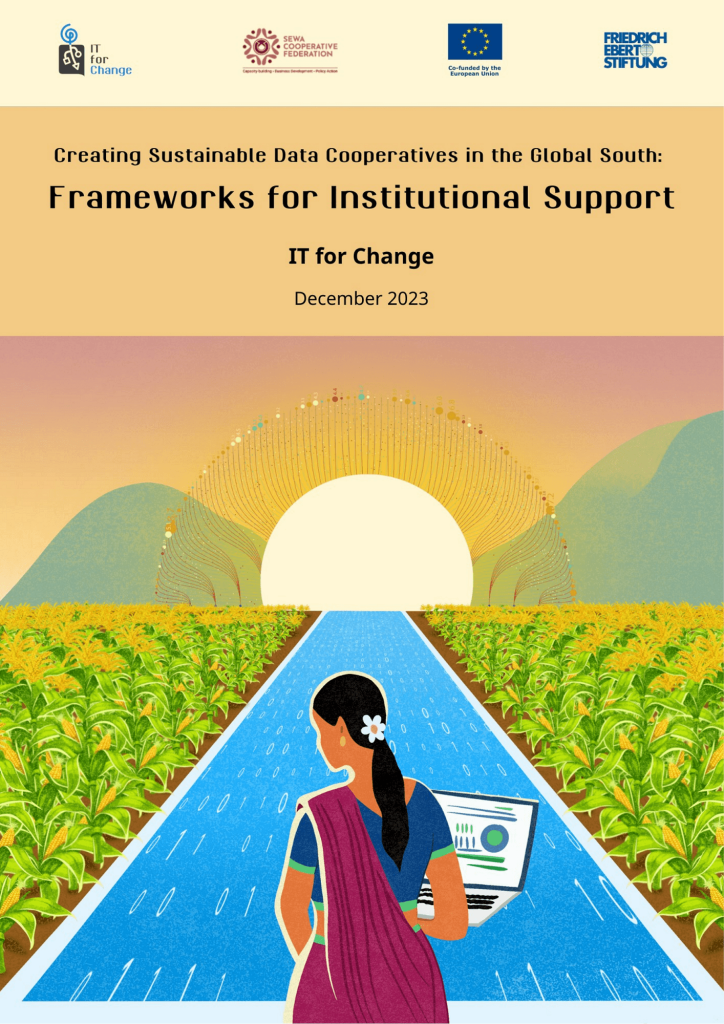
Report_ITFC_Creating Sustainable Data Cooperatives in the Global South
In contemporary discourses surrounding alternative futures in the age of platform capitalism, there is
an increasing acknowledgment of data as a shared economic resource.1 This recognition emphasizes
the importance of governing data through a community rights framework.
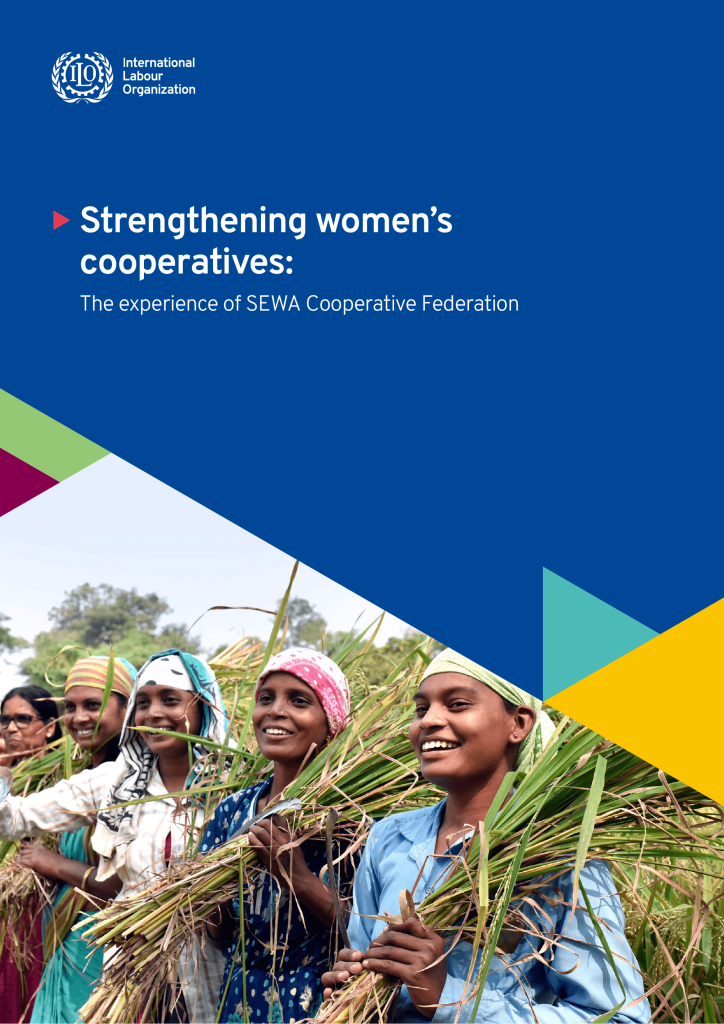
Report_ILO_Strengthening women’s cooperatives_ The experience of SEWA Cooperative Federation (32 Years)
Informal employment is extensive, currently comprising more than half of the global workforce. Workers
in the informal economy often face significant decent work deficits, including the denial of rights at
work, insufficient opportunities for quality employment, inadequate social protection and the absence of
social dialogue.
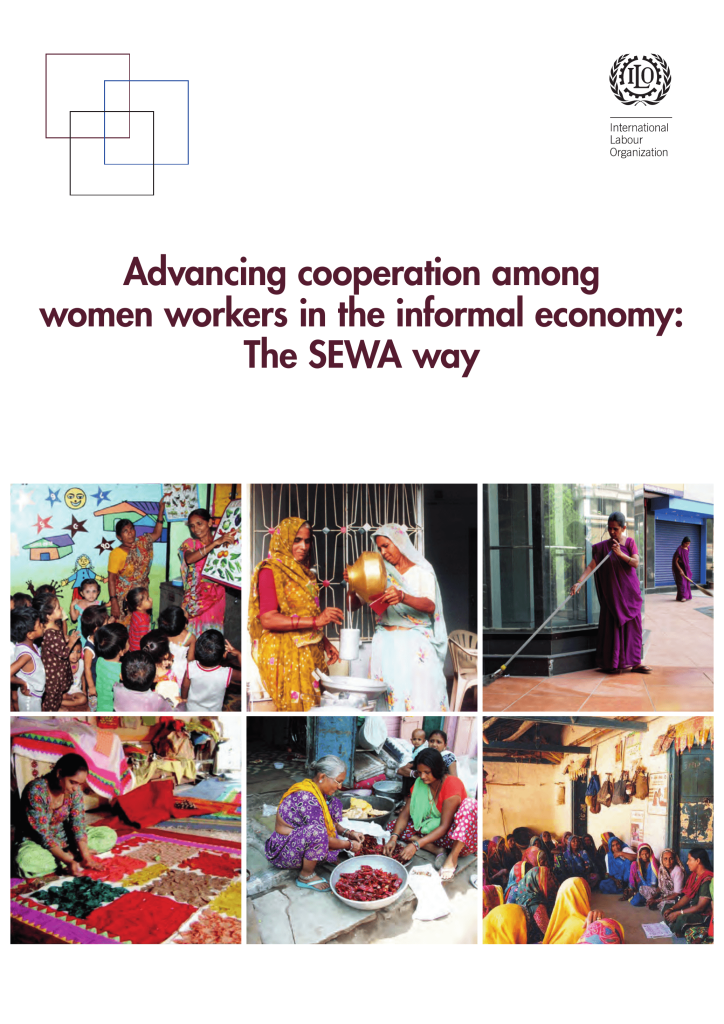
Report_ILO_Advancing cooperation among women workers in the informal economy_ The SEWA way
The informal economy is extensive, currently comprising more than half of the global workforce.
Often workers in the informal economy suffer from decent work deficits including the denial of
rights at work, low quality working conditions, inadequate social protection and the absence
of social dialogue.
Report_Fellowship_Empowering Grassroots Women Leaders (Cohort 1)
Communication is a key factor and an asset in the rural transformations currently affecting family farming and food systems. The United Nations Decade of Family Farming (UNDFF 2019–2028) Global Action Plan calls for rural communication services (RCS) to be part of family farming policies and programmes and to be delivered in a sustained and inclusive manner.
Regional Consultation_FAO_Rural communication services for family farming in Asia and the Pacific
Communication is a key factor and an asset in the rural transformations currently affecting family farming and food systems. The United Nations Decade of Family Farming (UNDFF 2019–2028) Global Action Plan calls for rural communication services (RCS) to be part of family farming policies and programmes and to be delivered in a sustained and inclusive manner.
Case Study_Youth Inclusion via Srujan Pre-Cooperative
A significant portion of India’s workforce, aged 18-35, plays a crucial role in the economy. However, young women in the informal sector face challenges such as lack of education, unemployment, and social barriers. Youth-centric cooperatives can address these issues by fostering innovation, expanding income opportunities, sharing best practices, enhancing credibility and participation in the cooperative movement.