INTRODUCTION
In 1848, two of the most powerful workers’ movements took shape. The trade unions to create a revolutionary transtormation of societies and the promotion of the cooperative movement to unite workers for the transformation of community. Both attempted to serve the interests of the weaker sections of societies.
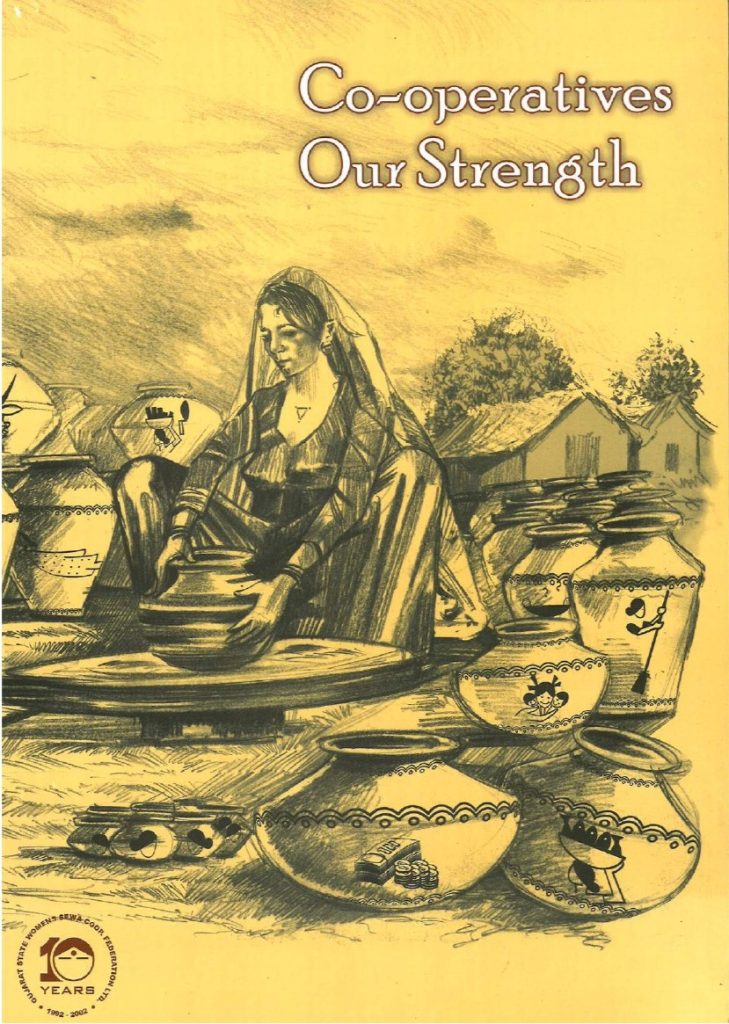
A hundred years ago, the concept of co-operative institutions was introduced in India as instruments of social reforms. Only after Independence, they found their significance as instruments of economic development in the five-year plans. Unfortunately, the movement gradually drifted away from the poor and most of its growth failed to involve the economic development of communities. The women were the worst off, remaining unlinked to the co-operative revolution and on the fringes of community life. The figures speak volumes – the women’s co-operatives range from a miniscule 1.3 to 1.8% even as the total number of cooperatives grew from strength to strength.