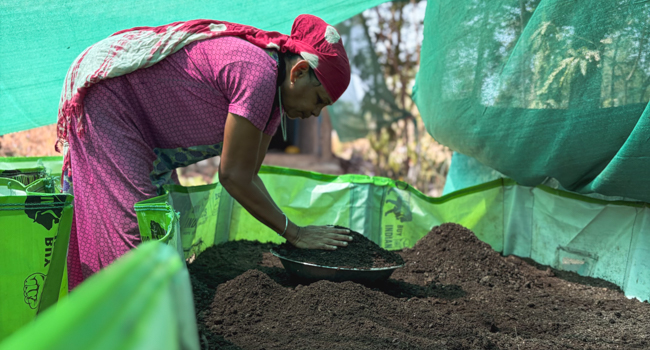
The focus is on recognising and strengthening innovations that emerge from within cooperatives. This includes documenting practices, supporting adaptation across contexts, and creating space for experimentation.
Examples of this can be seen across sectors—from worker-led service models such as Saundarya Safai and Rachaita, to communication and media initiatives like Video SEWA, and locally embedded systems such as Krishi Suvidha Kendras (KSKs) that respond to agricultural needs.
Rather than introducing new models, the work builds on what cooperatives are already doing and supports how these practices evolve over time.